

Why Environmental Education Matters for the Future of the Serengeti Ecosystem
When 17-year-old Ludala arrived at the Environmental Education Center (EEC) for the first time, he expected to learn about wildlife and nature. Growing up in a village bordering the vast landscapes of western Serengeti, he had always heard about the animals that make the region famous; the wildebeest, zebras, and elephants that move across the Serengeti ecosystem.
But it was something much smaller that surprised him the most.
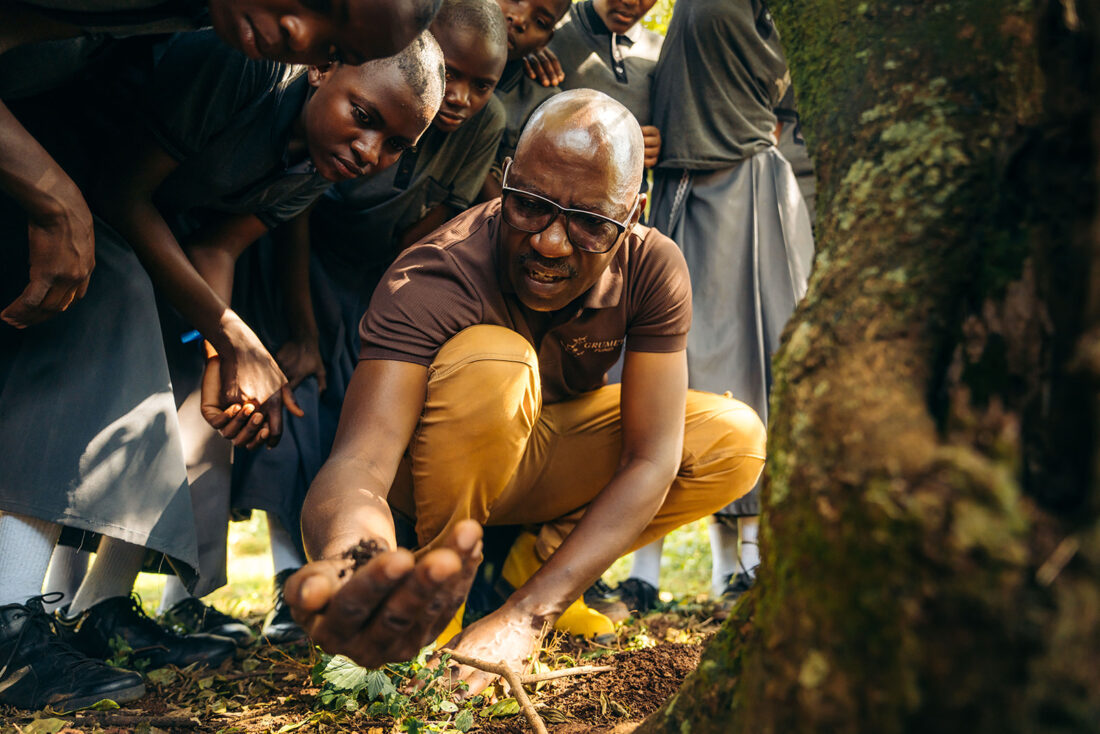
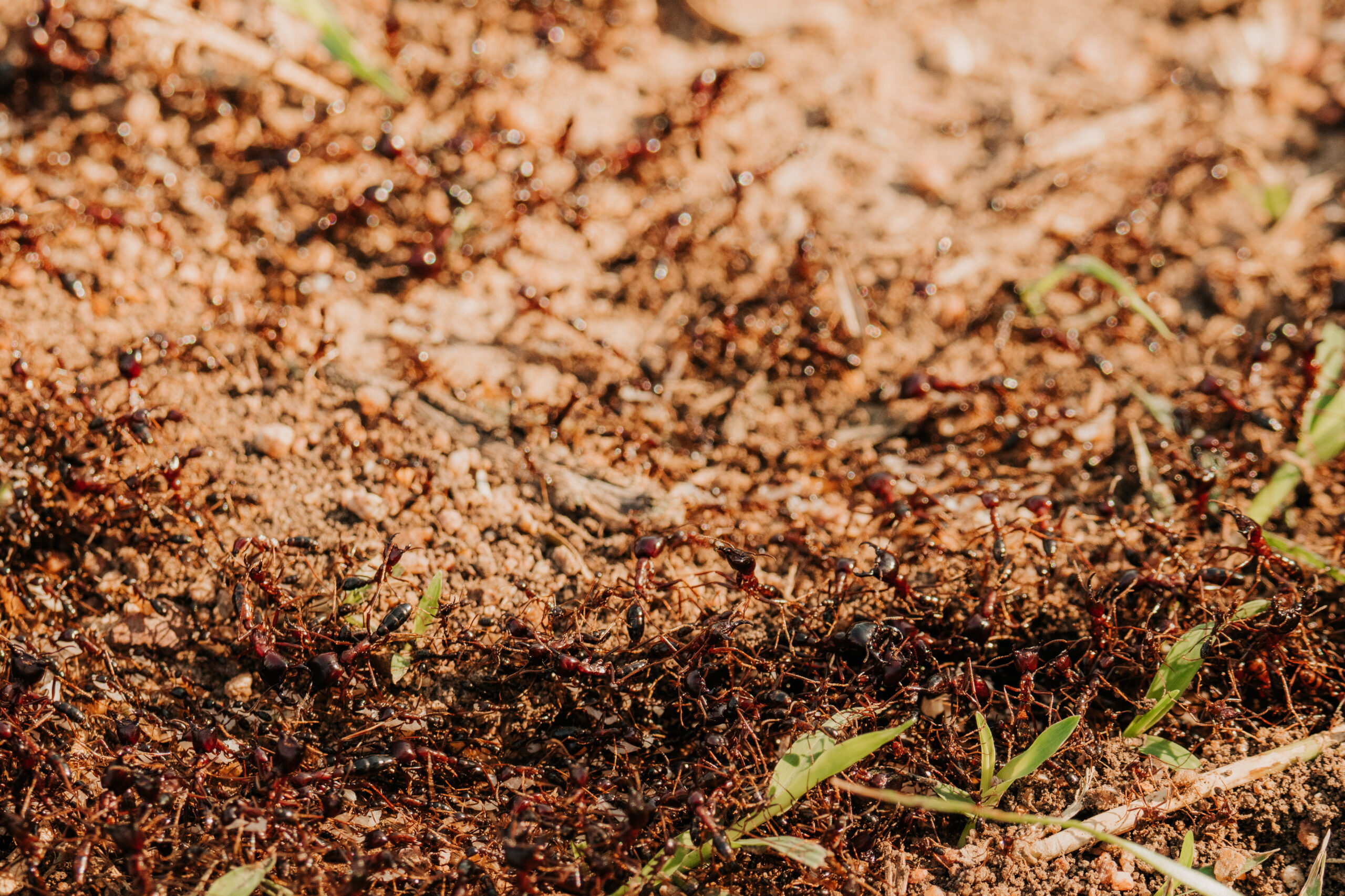
During one of the first lessons, students gathered around a patch of ground where Laurian Lamatus, the Environmental Education Center Principal, pointed to a busy line of ants moving through the soil. Laurian explained how these tiny insects help maintain healthy ecosystems by improving soil quality, recycling nutrients, and supporting other forms of life. As Ludala listened and watched closely, he began to understand something he had never considered before: even the smallest creatures play an important role in keeping ecosystems healthy.
“Before coming here, I did not realize that even the smallest animals, like ants, play an important role in the ecosystem,” Ludala said. “I also learned about protecting water sources and the importance of trees. When I return home, I want to plant trees to help address the impacts of climate change.”
In just a few days, his understanding of the natural world had begun to change.
Ludala is one of hundreds of students gaining a new perspective on conservation through the Environmental Education Center – a program designed to empower young people living in communities bordering protected areas.
Learning Where Conservation Happens
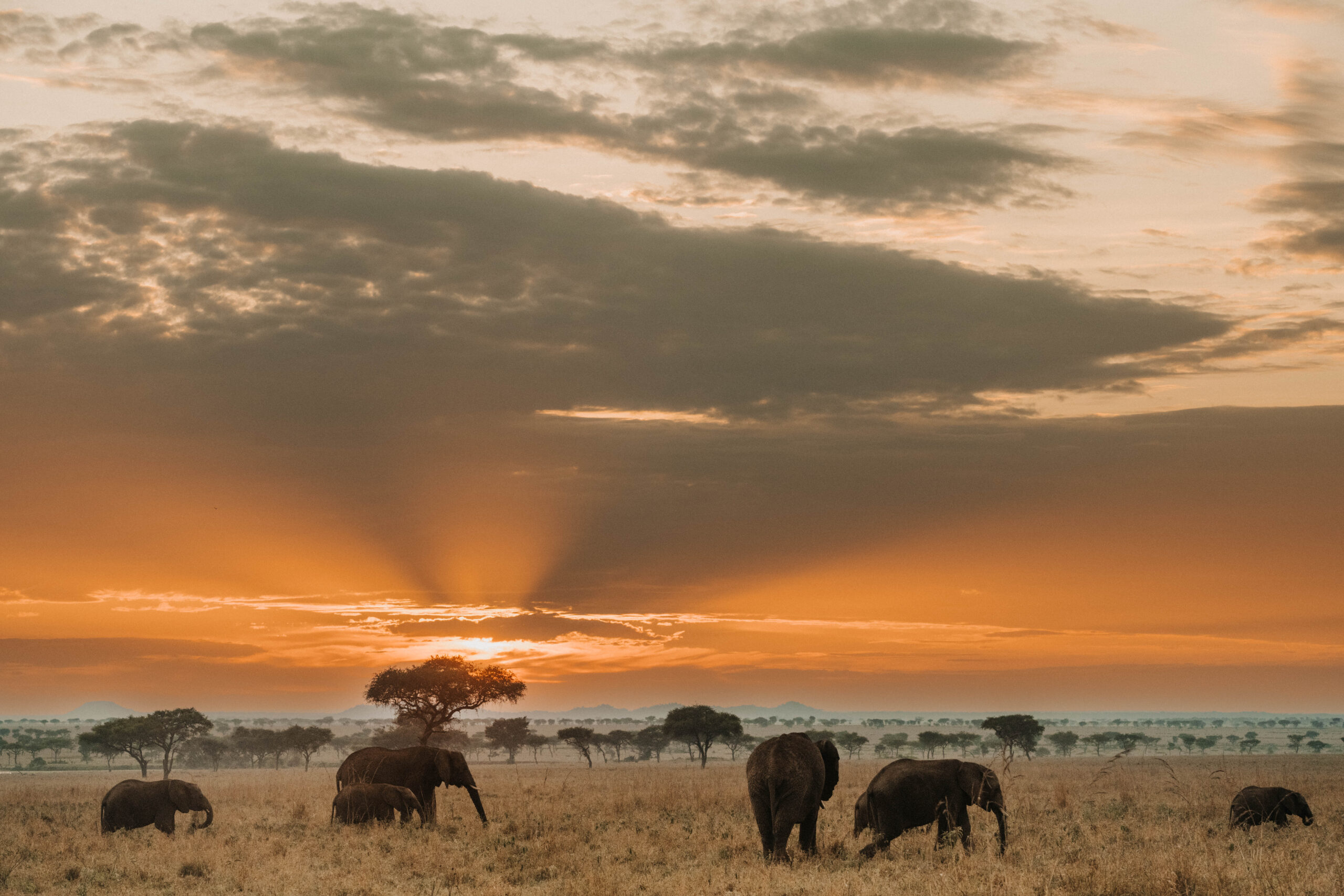
The students who participate in this program come from communities bordering the Ikorongo-Grumeti concession, an important part of the greater Serengeti ecosystem. This landscape is globally known for the Great Migration, where more than 1.5 million wildebeest move across the plains alongside hundreds of thousands of zebras and gazelles.
For students growing up in these communities, understanding how ecosystems function is essential. The Environmental Education Center provides a unique opportunity for students to connect classroom learning with real-world conservation challenges.
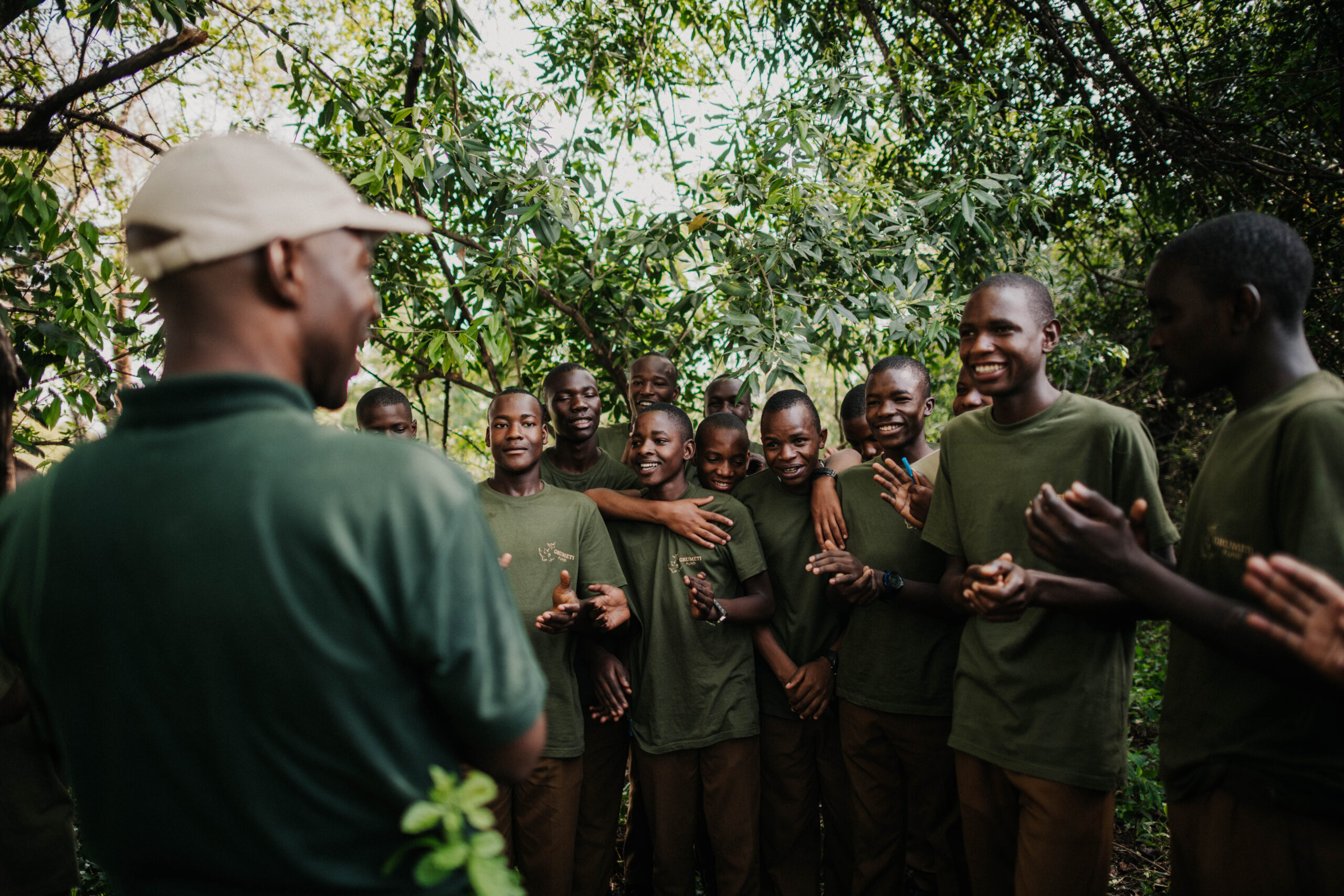
During their one-week stay at the center, students take part in interactive lessons and hands-on activities that explore topics such as wildlife conservation, climate change, waste management, soil erosion, and the sustainable use of natural resources.
Through nature walks, ecosystem discussions, and practical exercises, students begin to see how their daily actions can influence the health of the landscapes around them.
For many participants, it is their first opportunity to experience conservation work firsthand.
Reaching Hundreds of Students Each Year
Each year, the Environmental Education Center hosts 512 students from 16 secondary schools in communities adjacent to the conservation area.
Every school sends 32 students, including 16 girls and 16 boys. This approach ensures equal opportunities for young women and men to engage in environmental education.
By reaching students early in their education, the program encourages critical thinking about environmental stewardship, and the role communities play in protecting biodiversity.
Teachers who accompany their students have seen the long-term benefits of the program.
“Our school has been part of this program since 2009, and we are very happy to continue participating,” one teacher shared. “Students gain knowledge about wildlife and conservation, but they also learn topics connected to their academic subjects such as soil erosion, ecology, and climate change. This exposure has helped improve their academic performance as well.”
Growing the Next Generation of Conservation Stewards
Environmental challenges such as climate change and biodiversity loss affect ecosystems around the world, but solutions often begin at the community level.
For Ludala, the experience at EEC has already changed how he sees the environment around him.
When he returns home, he plans to plant trees and share what he has learned with others in his community.
His realization at the center began with something small: even ants play an important role in nature. That lesson helped him understand how every action, no matter how small, can contribute to protecting the environment.
Through programs like the EEC, young people are gaining the knowledge, skills and confidence needed to care for the landscapes they call home.
Your support gives students like Ludala the tools and opportunities they need to protect the natural world. Donate today to help the next generation safeguard our world’s extraordinary ecosystems.