

Walking for Wildlife
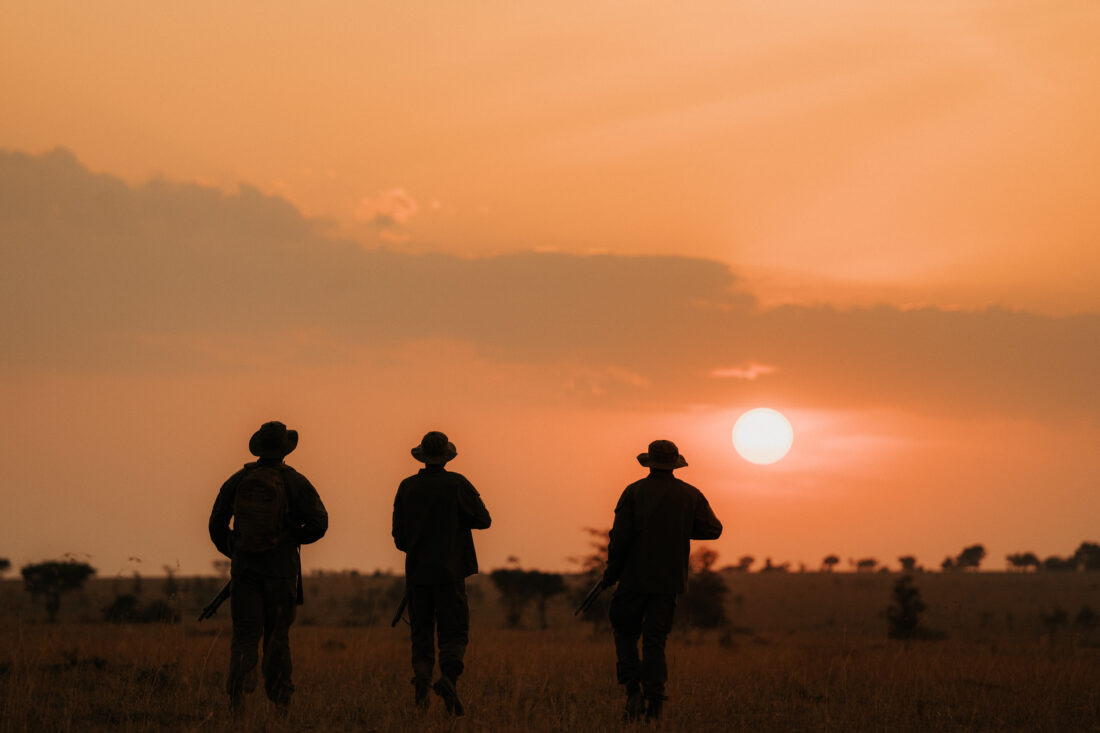
Before the sun rises over the plains of Grumeti in the western Serengeti, Amos Kisako begins his patrol. There are no roads where he walks, only faint animal tracks pressed into the ground. Every sound, movement, or observed features carry meaning: a distant call of baboons, vultures circling overhead, a broken branch, or afootprint that doesn’t belong.
For Amos, these signs are critical cues in his daily mission to protect the wilderness he calls home. At 42, he is a father of five and a dedicated game scout from Rwamchanga Village, which borders the Ikorongo-Grumeti reserves.
Amos’s story began long before he put on a uniform. “In the early 1990s, animals used to come into our communities in large numbers,” he recalls. “At the same time, poaching was very high. I saw wildlife being killed.”
Those early experiences stayed with him. Where others saw conflict, Amos began to see responsibility. Inspired by a long-serving Grumeti Fund field ranger, Chiwa, he chose a different path.
In 2003, Amos became a game scout. “The first time I wore my ranger uniform, I felt proud,” he says. “I felt my life was beginning to change.”
Walking Where Roads Don’t Exist
Amos prefers foot patrols despite the physical demands. Together with his team, he often covers about 8 to 10 kilometers a day, sometimes more – navigating rivers, mud, and dense bush. The rainy season brings additional challenges. “It becomes difficult to cross rivers and patrol when the land is wet,” he explains.
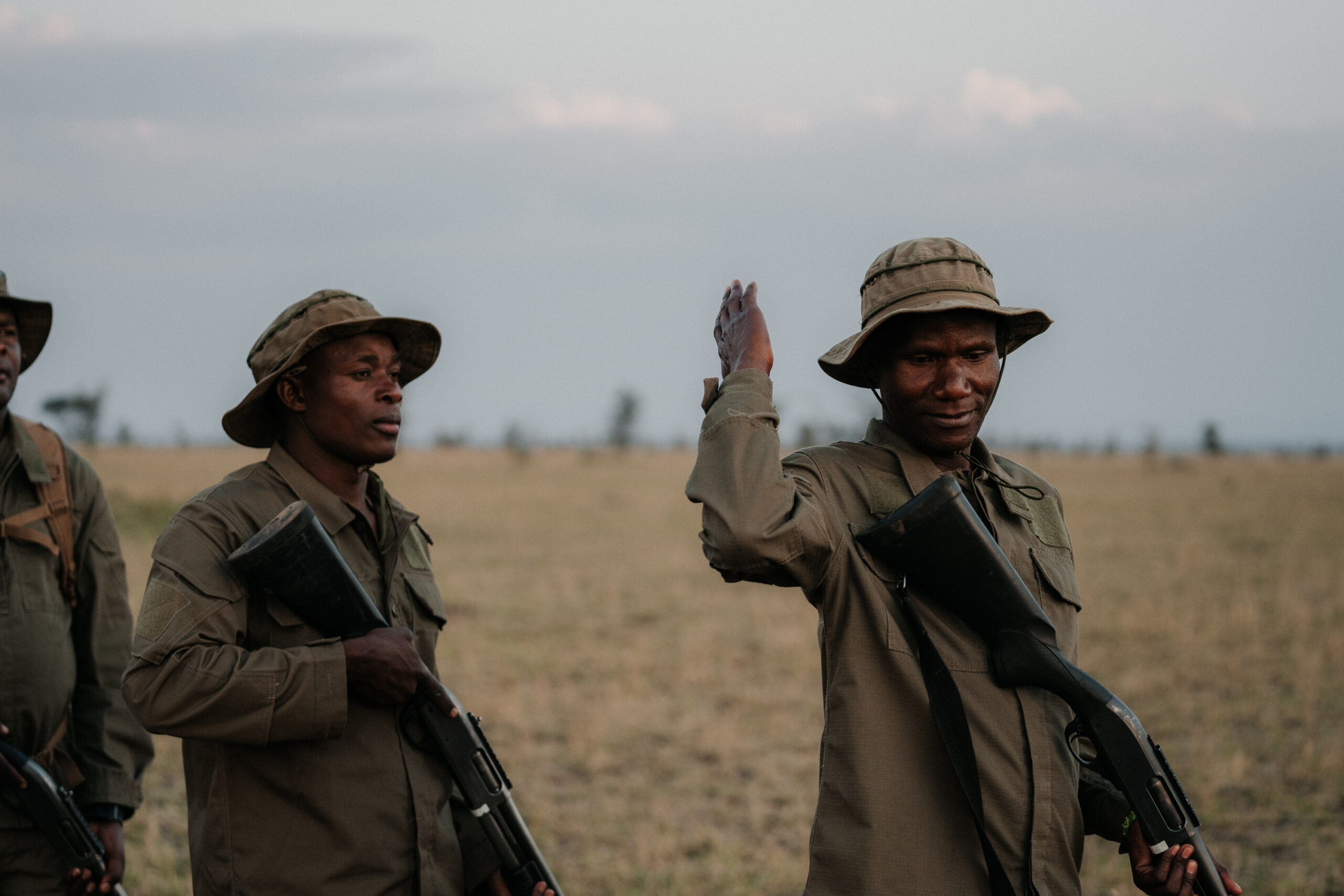
Amos at the forefront, confidently leading his team on patrol.
Yet moving on foot gives the team an advantage that vehicles cannot provide.
In the early days, Amos patrolled with little more than a stick. Today, through collaboration from government partners and donors support, scouts are equipped with improved gear. Still, their most valuable tools remain unchanged: keen observation, determination, and awareness.
“We rely on everything,” he says. “What we hear, what we see. Even birds like vultures can signal that something is wrong.”
Ten Meters from Danger
One day, during a routine patrol, Amos and his team found themselves just ten meters away from a pride of lions.
“I told my fellow scouts to stay calm,” he recalls. “We stood still.”
One lion roared, and for a moment time seemed to pause. Then, slowly and quietly, the team stepped back until they were safely out of range.
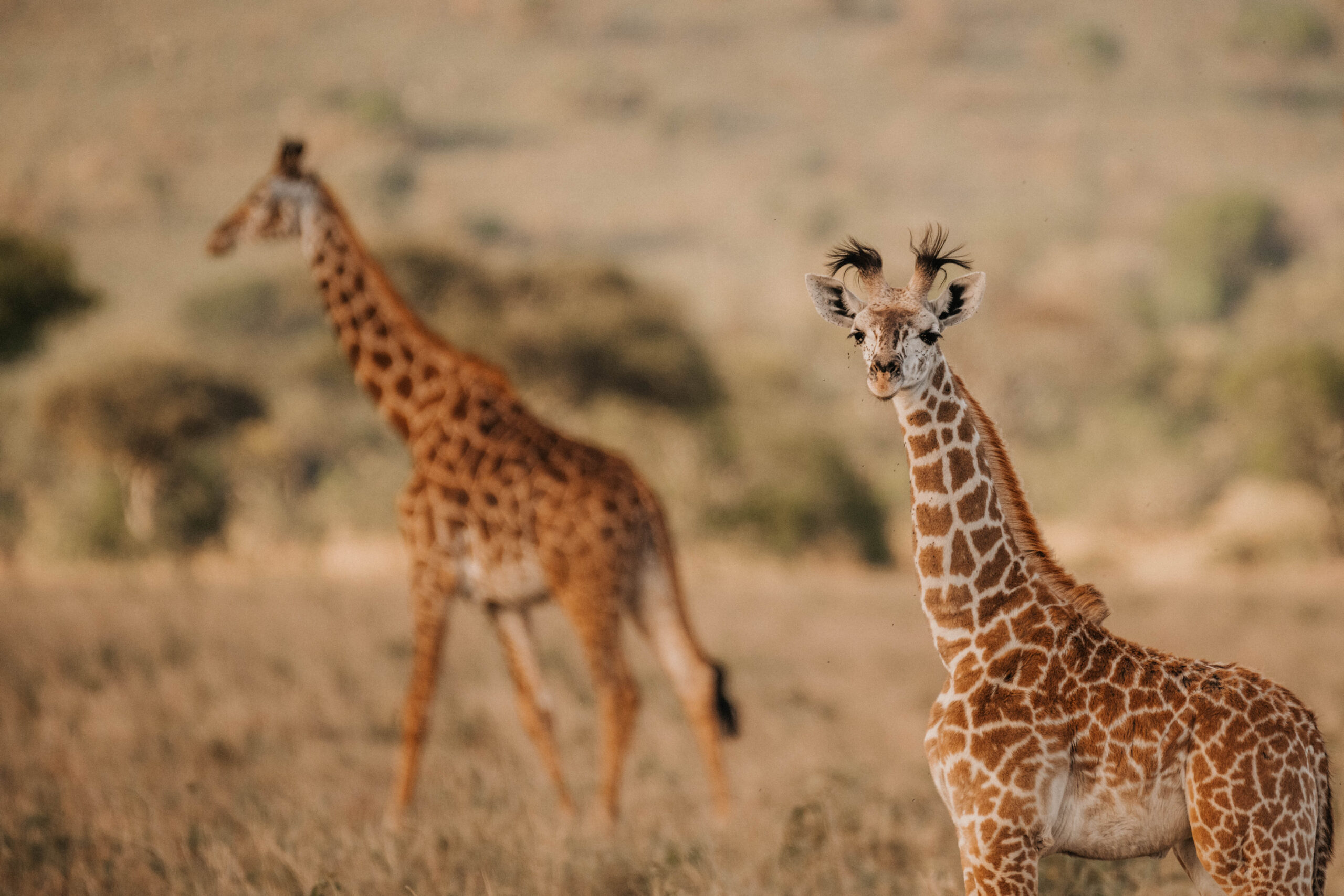
Encounters like this are part of the job. Amos has faced danger many times, yet he still smiles when he speaks about the wildlife he helps protect. “I love giraffes,” he says, “I am proud to protect them.”
The Heavy Cost of Every Patrol
Not all encounters are as remarkable. Some are distressing.
Amos has witnessed animals injured by wire snares; silent traps that cause slow, painful suffering. “When I see an animal caught in a wire, still alive but suffering, I feel very bad,” he says, quietly. “It is a slow, silent kind of cruelty.”
Confronting poachers brings immediate danger. “You need to be brave. You must quickly read their body language and react.” It is a constant balance – protecting wildlife, protecting his fellow scouts, and ensuring his own safety.
The personal price is just as real. Amos can spend up to 30 days on patrol, far from his family. While they worry about the risks, they are also proud. His work helps support his children and send them to better schools – opportunities he values deeply.
A Legacy for Elizabeth
One dream, however, continues to motivate him, his 13-year-old daughter, Elizabeth, hopes to become a wildlife protector just like her father.
When Amos first joined, poaching had taken a heavy toll and wildlife numbers were low. Through sustained patrols and community awareness efforts, wildlife in the protected area has begun to recover. Amos sees the change not only in the return of animals but in the progress within his own community of Rwamchanga Village: new clinics, scholarships for children, and development projects that show a living giraffe is worth far more than a poached one.
For Amos, conservation is more than a job, it is heritage, identity, and the future. “This environment means everything to me. I grew up seeing it, and I want my children to experience it too,” he says.
“If we stop patrols today, this place will not be the same.”
Wildlife supports livelihoods, national economies, and global biodiversity. For Amos, the message is clear: “We must work together to protect our natural resources.”
Every patrol, every kilometer walked, contributes to something bigger, a commitment to protecting wildlife, supporting communities, and safeguarding the future.
Every time he sees animals roaming freely, he is reminded that the work is worth it.
From boots on the ground to medical care in the field, your support provides the tools our scouts need to help protect the iconic Serengeti Ecosystem.
Stand with our game scouts today.