

14th Feb 2026
14th Feb 2026 /
Scientific Publications
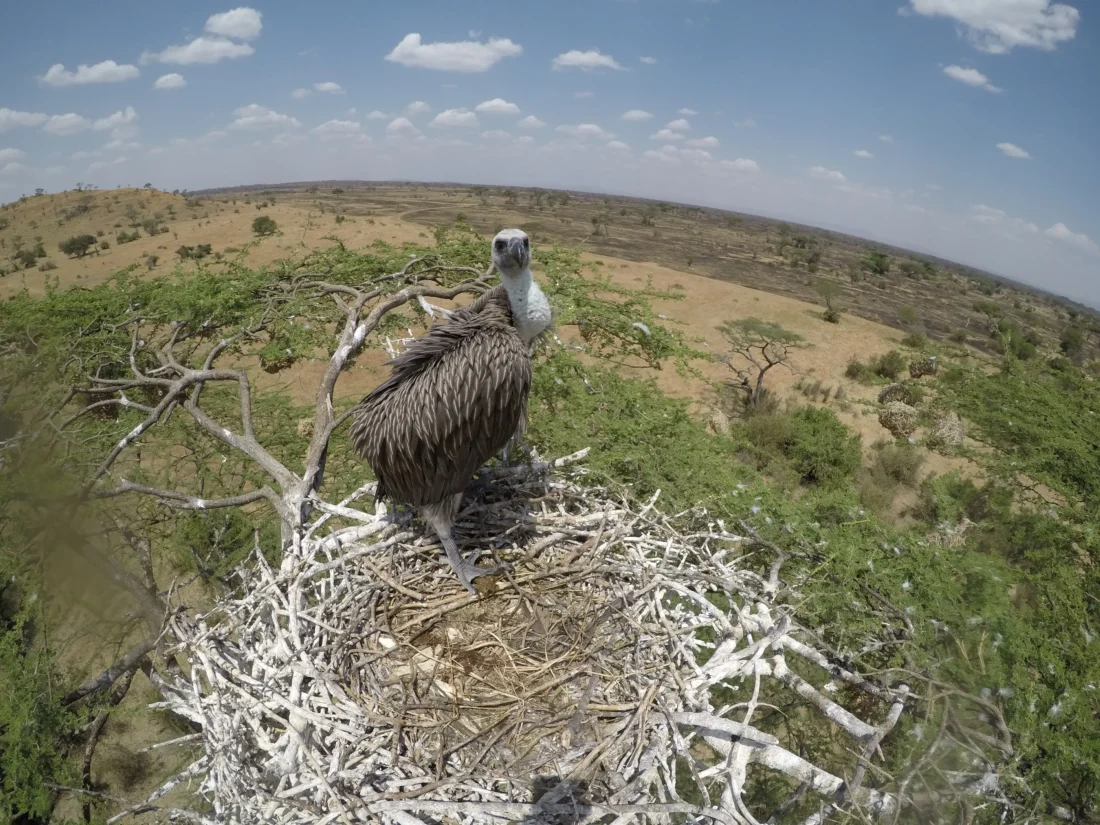
Breeding population status and nesting preferences of the White-backed Vulture Gyps africanus in western Serengeti, northern Tanzania
AUTHORS
Vainess Laizer, Peter S Goodman, Noel Mbise, Claire Bracebridge, Kate Tiedeman, Corrine J Kendall, Robert Byamungu, Shombe N Hassan, and Kristen D Snyder
ABSTRACT
The White-backed Vulture Gyps africanus is Critically Endangered because of its decline across its range in Africa, largely due to poisoning. The western corridor of the Serengeti ecosystem in northern Tanzania hosts a significant number of individuals of this species. However, there is no published information on the breeding population status and breeding success. Here, we report findings from five riparian aerial surveys conducted between 2013 and 2021 in the Ikorongo and Grumeti Game Reserves and the Ikona Wildlife Management Area and examine changes in nest encounter rates. Nest surveys were conducted in 2021 and 2022 to examine breeding success and nesting site preferences. To better understand the potential drivers of the observed trends, we assessed changes in riparian tree cover between 2012 and 2020 using remote sensing techniques. The nest encounter rate within the survey area declined from 0.99nests km−1 in 2013 to 0.43 nests km−1 in 2021. The breeding success was 29.4%, which was significantly lower than that reported in other sites. Tree cover declined by 28% during the study period, and results suggest that habitat loss may be a contributing factor to the observed declines in the breeding population, but further investigation is needed. White-backed Vultures in the Serengeti ecosystem require continued monitoring, assessment of the drivers of tree cover decline, and investigation of breeding population dynamics and the key factors influencing breeding success. Read the full article here.