

World Ranger Day: The People Behind the Zeros in African Wildlife Conservation
For more than two decades, the Grumeti Fund has stood between some of Africa’s most threatened species and extinction.
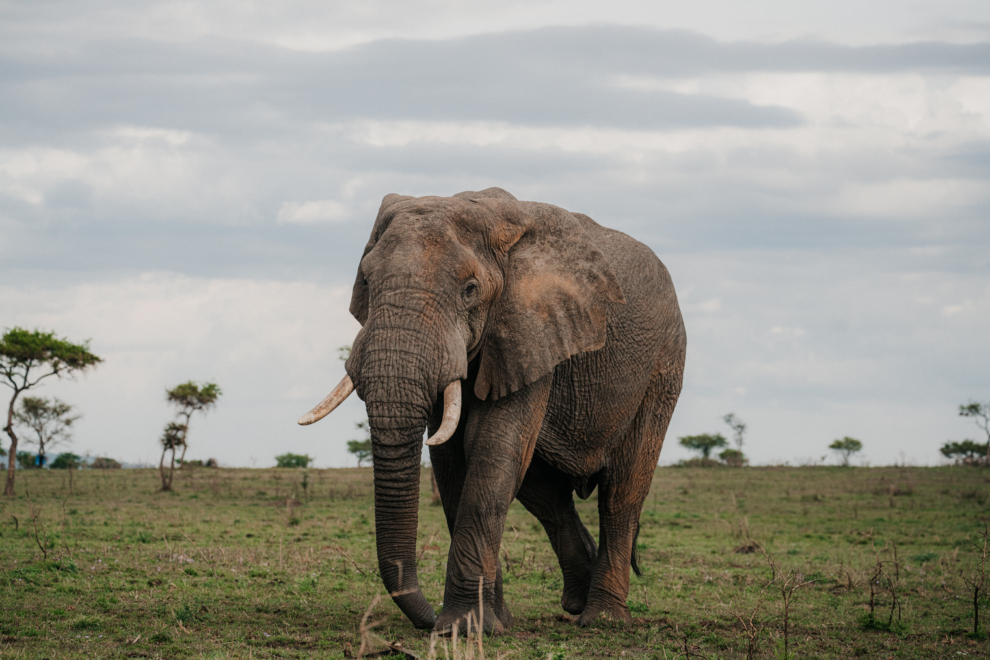
Since the Grumeti Fund was established in 2003, no elephant has been poached in our reserve. By the early 2000s, rhinos had become locally extinct from the Grumeti landscape. Today, following their reintroduction, no rhino has been poached here either.
For Masumbuko Matandura, a game scout who has dedicated the past 13 years to protecting Grumeti’s wildlife, the hardest part of the job isn’t simply apprehending poachers. It is knowing them.
The True Cost of Protecting Wildlife
World Ranger Day exists to honor the vital work of wildlife rangers and to remember those who do not come home. More than a thousand rangers have been killed in the line of duty worldwide over the past decade. They face threats not only from armed poachers, but also from fires, accidents, and disease.
Most of their stories never make international news. This year, we want you to meet one of the brave individuals still holding the line.
57 Marathons in 30 Days
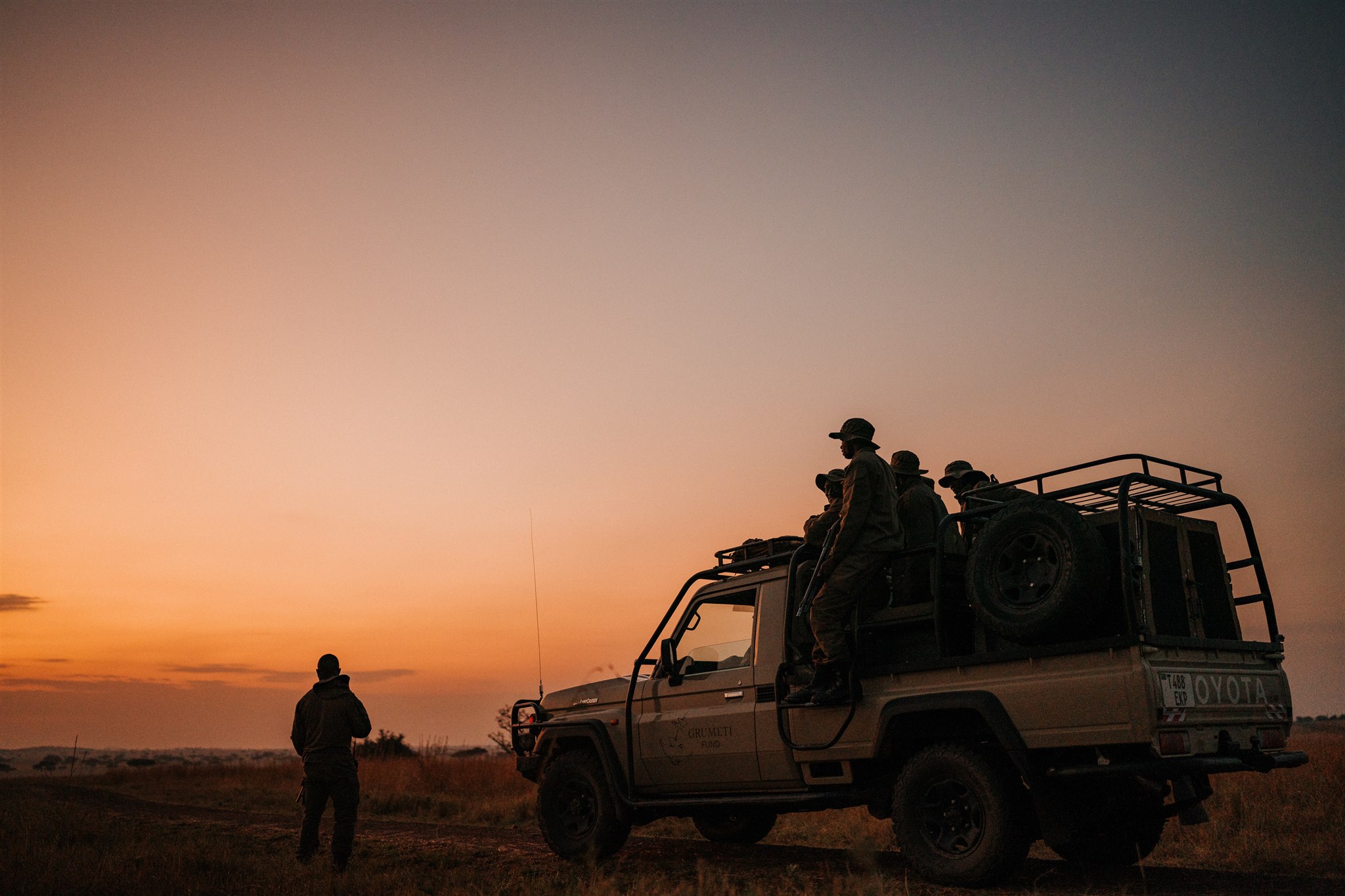
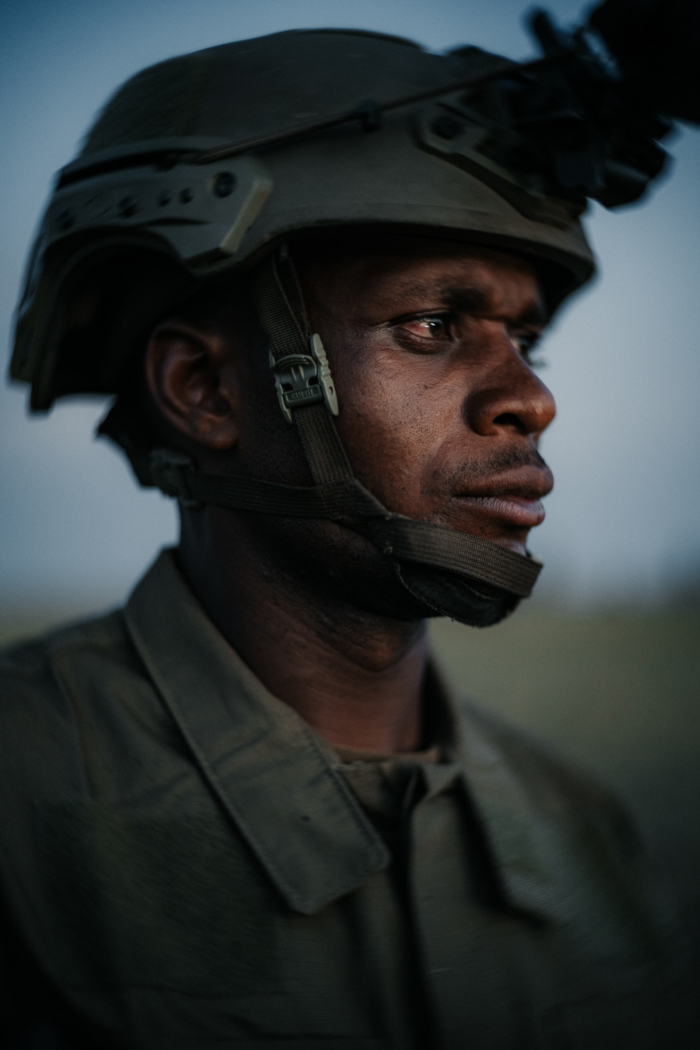 Masumbuko Matandura has spent 13 years walking the rugged tracks of the Ikorongo-Grumeti Game Reserve in Tanzania. He grew up in a village on its boundary. That matters, and we’ll come back to it. When the massive herds moved through the reserve this past June, the pressure on wildlife and the teams protecting it escalated quickly. The migration bring thousands of animals into this landscape, but it can also create opportunities for poachers to move unseen.
That month, Masumbuko and his fellow scouts covered nearly 2,400 kilometers on foot. That is the equivalent of 57 marathons in just 30 days, through thorn scrub and river crossings, carrying heavy equipment in the blistering bush heat.
During those patrols, they removed 89 wire snares. A snare is a simple loop of cable tied to a tree, but it is indiscriminate. It doesn’t matter whether the animal that walks into it is a wildebeest, a lion, or a baby elephant. The outcome can be devastating.
Because of Masumbuko and his team, 89 of those deadly traps will never close on anything again. They also seized 368 kilograms of illegal bushmeat, a reminder of the complex pressures facing wildlife and the desperate choices being made beyond the reserve’s boundaries.
The part nobody puts on a poster
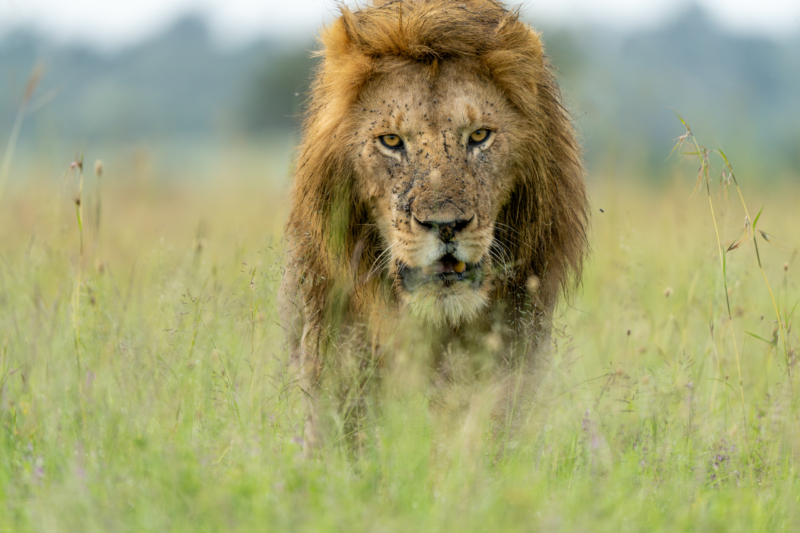
Walking is hard. So are the hidden snares and the lions that the team encounters at night. Yet none of that is the hardest part.
Masumbuko is from this region. He knows the landscape, the communities, and the families who live alongside the reserve. He knows some of them intimately. And some of those families are the very ones setting the traps he spends his days removing.
“Not everyone supports what we do. Some are still poaching.”
Most of these community members are subsistence farmers. When the rain fails, or a crop raiding elephant flattens a season’s food, a snare can start to look like the only option left for survival.
This is the reality Masumbuko faces. He is protecting vulnerable wildlife while, at times, standing between wildlife and his own neighbors.
Arrests alone cannot fix this complex reality. If the only thing stopping a family from setting a snare is the risk of getting caught, the snares will keep coming.
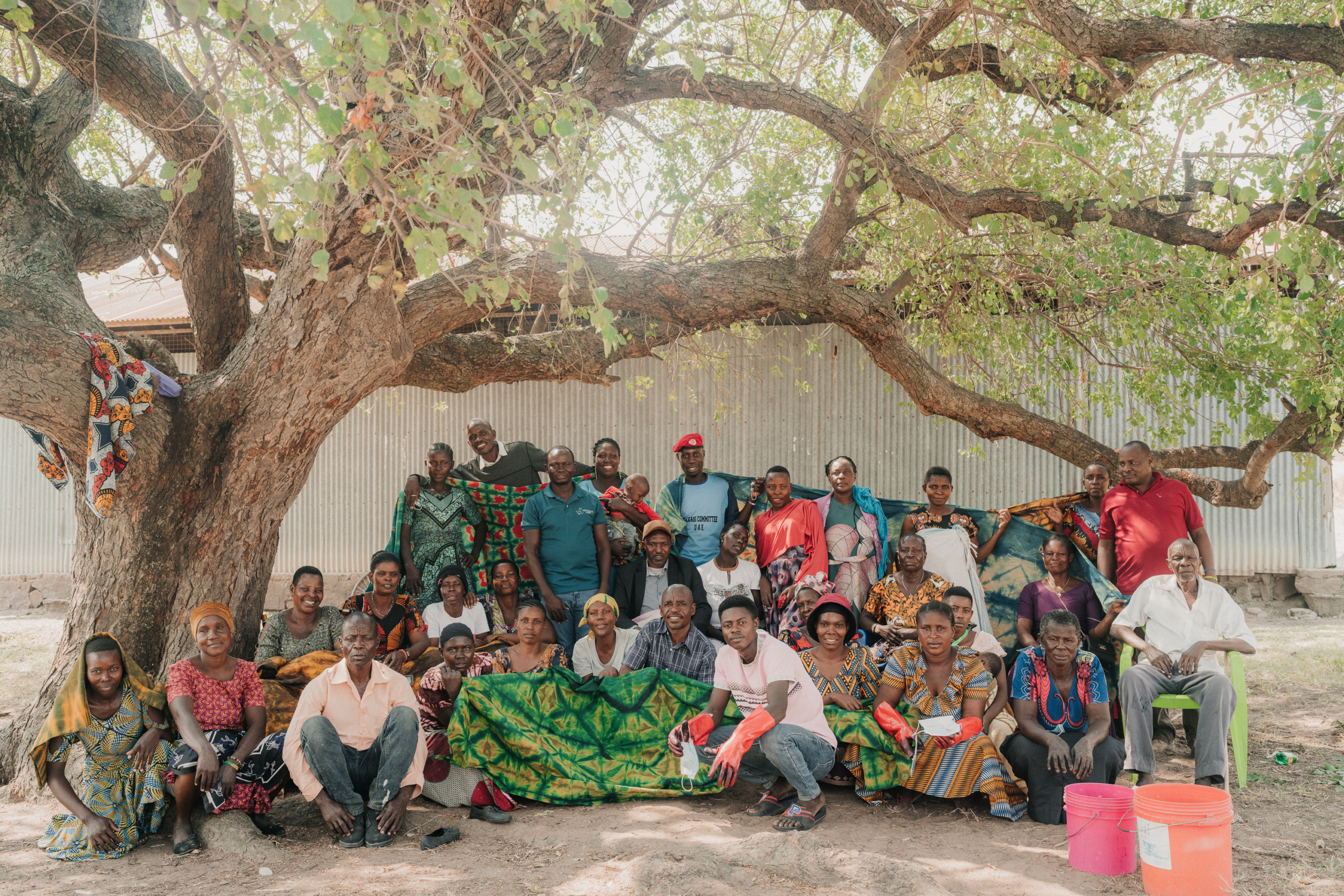 Conservation on Both Sides of the Boundary
That is why our strategy works on both sides of the reserve line.
Our community upliftment programs help families living alongside the boundary build sustainable incomes that do not depend on wildlife. Last year alone, donor funding allowed us to train more than 250 people in small enterprises and respond to 157 human-wildlife conflict callouts.
Community engagement is slower than a ranger patrol. It takes time, trust, and long-term commitment. But it is exactly this work – alongside the dedication of rangers like Masumbuko, that gives us hope that those two poaching zeros will remain zeros for the next 30 years.
Stand with our rangers this World Ranger Day
Behind every patrol is a ranger. Behind every ranger is a team. And behind every successful conservation story is a community that chooses to protect its wildlife.
This World Ranger Day, you can be part of that story. Visit our Wishlist to see the projects and equipment you can help support – from keeping rangers equipped in the field to investing in the communities that make lasting conservation possible.
Your support helps keep our teams on the ground, protects endangered species, and ensures that the work of rangers like Masumbuko can continue.