


Beyond the Collar: How Elephant Tracking Is Shaping Conservation in the Serengeti
On the same day he was collared, Kichaka crossed beyond the reserve into community grazing land. It was an early glimpse into why tracking elephants matters.
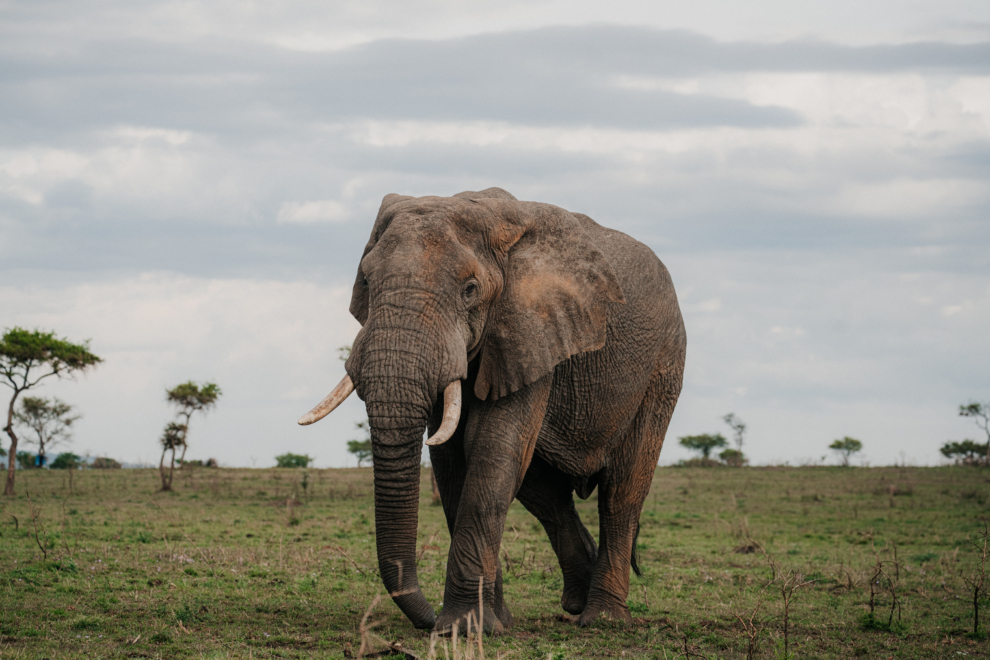
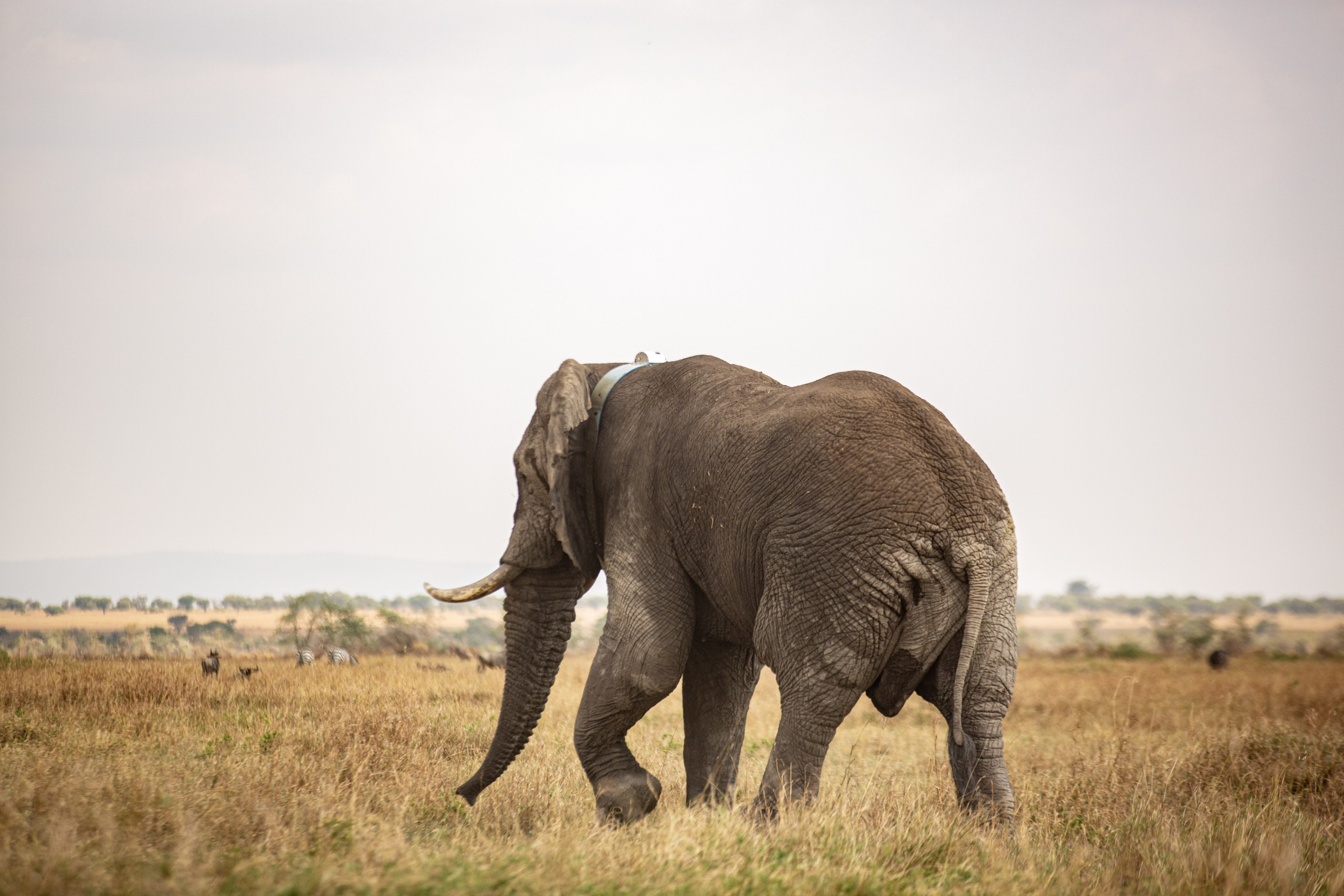
Kichaka is one of two bull elephants fitted with GPS collars this August by our Research and Monitoring team in the Ikorongo-Grumeti concession. We named him Kichaka, the Swahili word for “thickets.” Each collaring took less than thirty minutes, and by 4:30 p.m., both elephants were back on their feet and moving freely.
But the real work was only beginning.
As Kichaka moved through the landscape, his collar began transmitting information about where he was and how he was using the ecosystem. That data gives our teams a clearer understanding of elephant movements, the habitat they rely on, and where they may come into contact with our neighboring communities.
Kichaka is now one of twelve elephants carrying an active collar across this ecosystem.
The collar itself is not the goal. What matters is what the information allows us to understand; and how it can inform our conservation efforts across this landscape.
The Day Kichaka Was Collared
Collaring an elephant is a carefully coordinated operation that brings together expertise from across Tanzania’s conservation institutions.
Dr. Justine Shamanche of the Tanzania Wildlife Research Institute (TAWIRI), the national body responsible for wildlife research, led the operation alongside veterinarians and wildlife technicians from the Tanzania Wildlife Management Authority (TAWA) and other government conservation agencies.
Early that morning, our team stationed at observation points monitored Kichaka’s movements, helping guide the field team to his location. Once he was identified, the veterinary team assessed his size and overall condition to determine the appropriate collar, with his welfare guiding every decision.
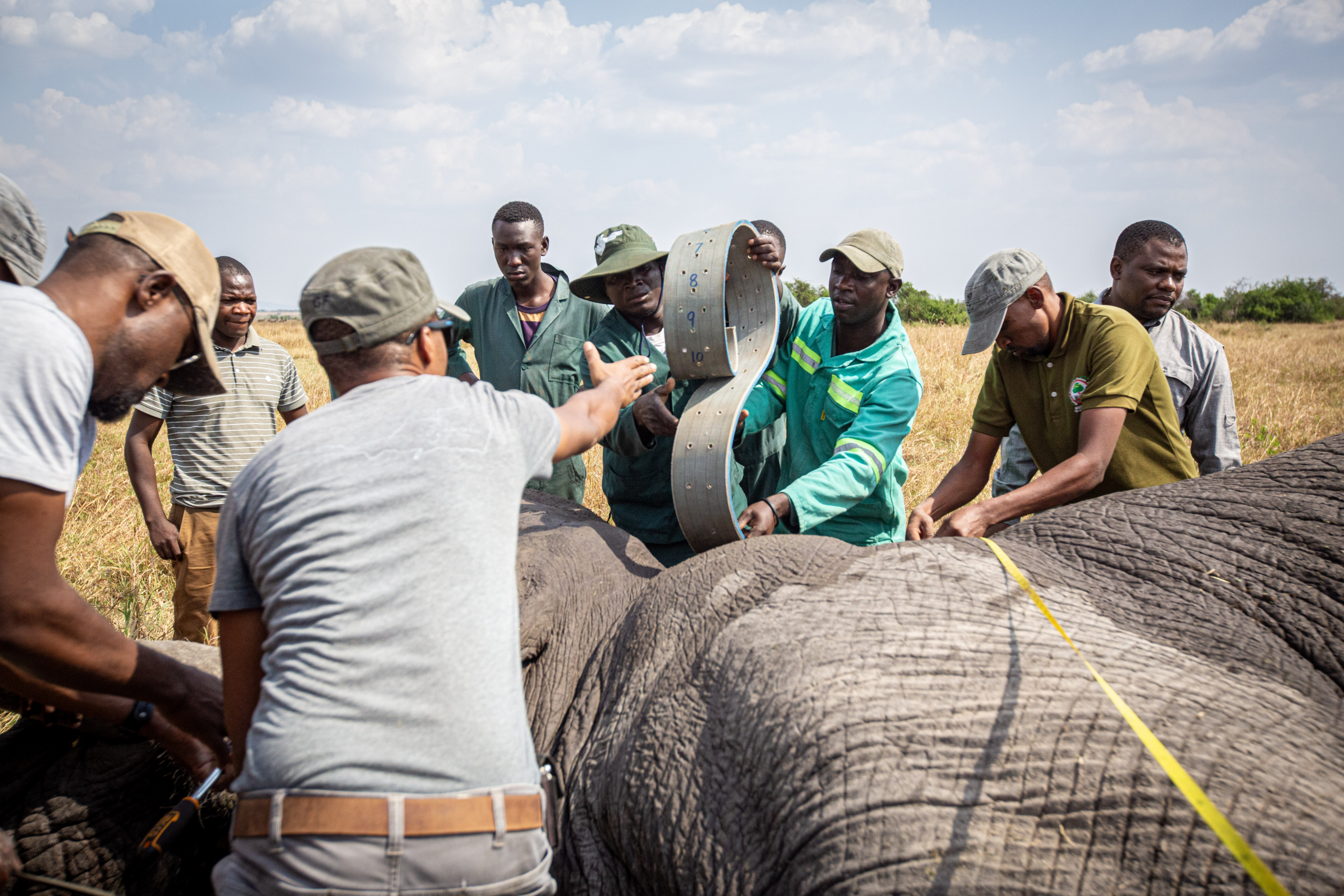
“Successful collaring depends on teamwork and coordination,” Dr. Shamanche says. “Everyone has a role, and every step is carefully planned.”
Once Kichaka was safely immobilized, conversation gave way to quiet concentration. While Dr. Shamanche monitored his condition, the team fitted the GPS collar, collected biological samples and completed routine health assessments.
Every movement was deliberate, with one shared priority: completing the operation safely and ensuring Kichaka return to his feet as quickly as possible.
Once the work was complete, reversal medication was administered. Within minutes, Kichaka was standing again. The team continued observing from a safe distance until he was steady and moving confidently before he disappeared back into the landscape.
Then the field team packed up.
And the collar’s work began.
When an Elephant Sends a Signal
Our Research and Monitoring team registers each collar in EarthRanger, a platform we use to monitor wildlife across the ecosystem. From that moment, the collars begin transmitting real time location data, giving our team insight into how elephants move through and use the landscape.
Inside our operations room, the team does not need to watch every movement. The system does that for them.
Geofence and proximity alerts are triggered automatically when a collared elephant approaches or crosses the boundaries of the protected area. These alerts are passed to our Human-Wildlife Conflict Mitigation Unit, allowing teams on the ground to prepare when elephants move towards community areas.
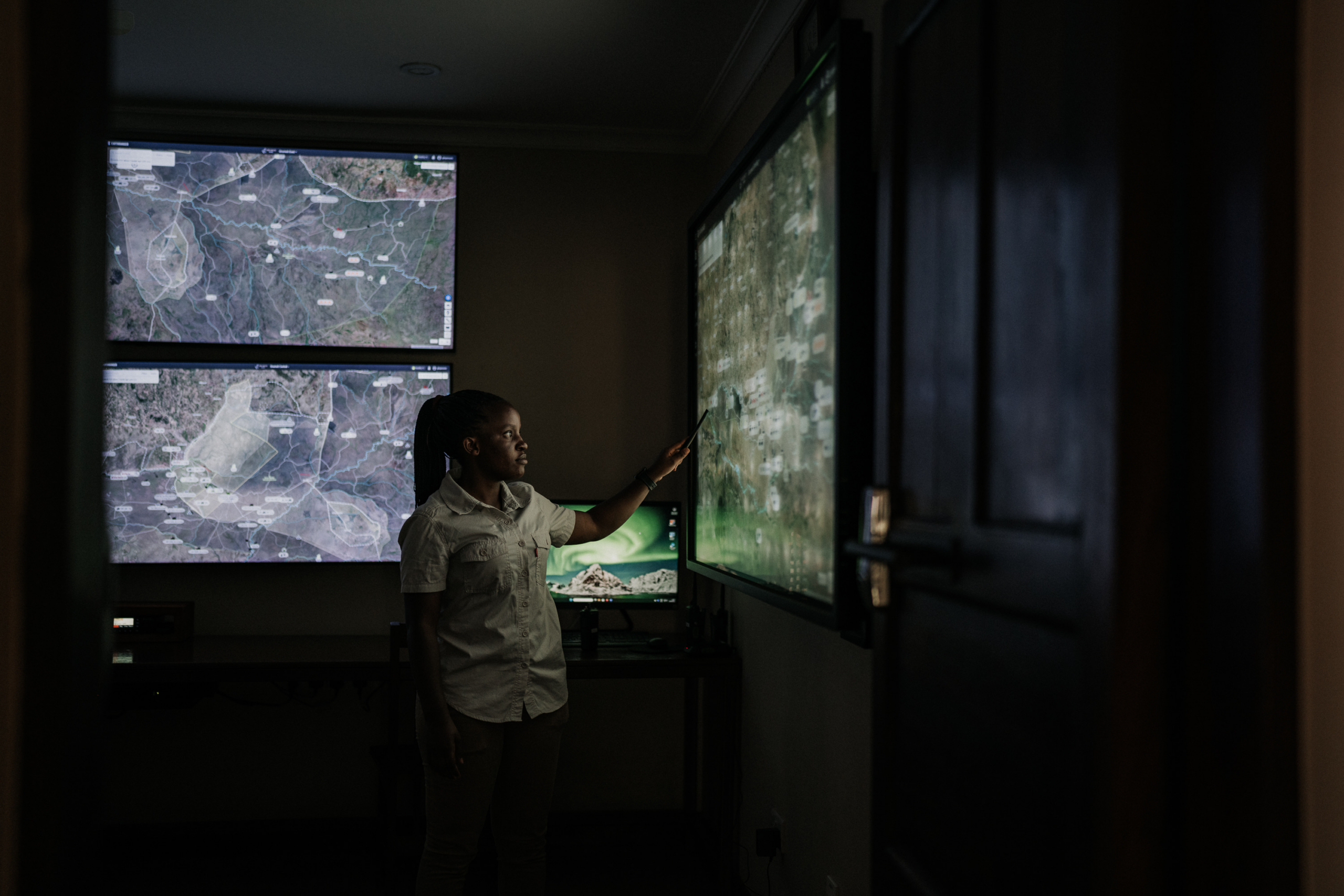
For Operations Room Coordinator Ahurila Kamugisha, every signal adds another piece to a much larger story.
“The collars don’t just tell us where elephants are. They help us know when they may need us.”
Kichaka provided an immediate reminder of why that information matters. Within hours of being collared, he had crossed beyond the reserve and into community grazing land.
His movement was anearly example of how tracking can give conservation teams with a clearer picture of elephants movements through a landscape shared by wildlife and communities.
Turning Data Into Action
For communities living alongside elephants, knowing where elephants are and where they may be heading can make a meaningful difference.
Crop damage can threaten a family’s livelihood, while elephants that repeatedly enter agricultural areas may face the risk of being killed in retaliation. By understanding elephant movements, our teams can respond early, helping reduce crop damage, improve community safety and lower the risk of retaliatory killings.
This is where tracking becomes more than technology.
The collar provides the signal. People turn that signal into action.
The action depends on strong partnerships, bringing together researchers, veterinarians, government authorities and conservation teams. Working together, they can respond to emerging situations while supporting both wildlife and the communities that share this landscape.
What We Learn From Every Movement
The two elephants collared August 2026 will continue to add to our understanding of elephant behavior across the western Serengeti.
Their movements can reveal how elephants use this landscape, when they approach community areas and where conservation teams may need to focus their attention.
Every signal represents an opportunity to understand elephants better. Every movement adds to our knowledge of the ecosystem. And every piece of information helps our teams understand where attention may be needed.
Kichaka’s collar may have taken less than thirty minutes to fit.
Understanding what happens after that will take much longer.
Because protecting elephants is not simply about knowing where they are. It is about understanding the landscape they move through, anticipating the challenges they may encounter and bringing people together to respond.
That is where the real work begins.