

Guiding Giants Home: A Young Woman’s Journey to the Frontline of Coexistence.
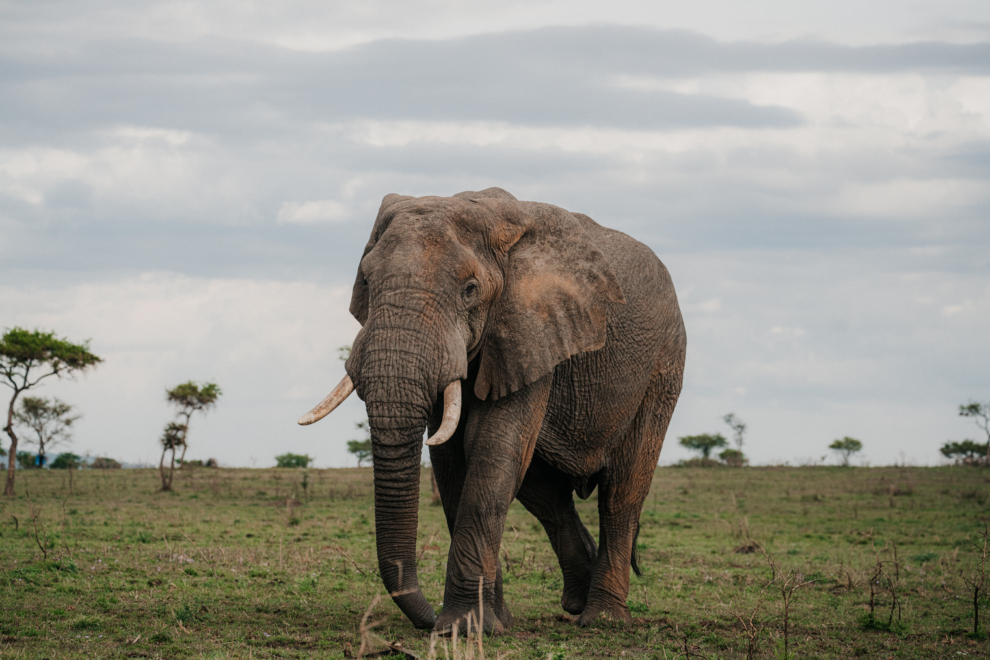
When the herd charged, Ashura Rajabu remained calm. A herd of elephants – mothers and calves, had crossed into the farmland in daylight. For nearly five hours, Ashura and her team worked patiently and without harm to guide the elephants back until the last of them had safely returned to the protected area.
Ashura was eighteen when she first saw a wild elephant. Today, she leads the team that helps guide them home.
Growing up in Dar es Salaam, far from the open plains, conservation was never part of Ashura’s upbringing. When it came the time to choose a diploma, she listed forestry as her first choice and wildlife conservation as her second, enrolling at College of African Wildlife Management – MWEKA expecting a practical career path.
Instead, she found a calling. Through her studies, she began to see how closely the lives of people, wildlife, and the land intertwine. One realization, stayed with her: animals, too, live in families, much as we do.
Her first encounter with wildlife came during academic field exercises in Serengeti, Ngorongoro, and Tarangire. Seeing these animals in their natural habitats transformed her curiosity into something far deeper; a passion for conservation and the people and wildlife it serves.
Along the way, she took strength from her father’s unwavering belief in her. “He always listens and encourages me,” she says. “He saw something in me.”
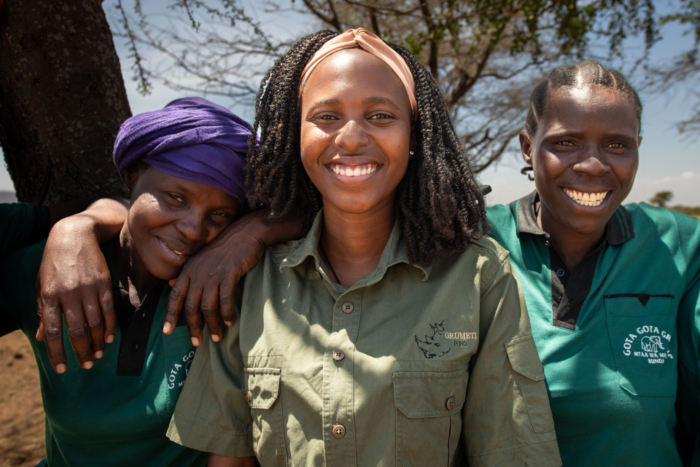
In 2021, Ashura joined the Grumeti Fund as a volunteer with the Human-Wildlife Conflict Mitigation Unit. Within three months, she was promoted to Unit Assistant. In the years since, she has continued to rise through the ranks and now serves as the unit’s Supervisor.
The unit’s work rests on a simple promise: when wildlife enters community land, help is only a phone call away. Residents can reach a toll-free line at any hour, and the team responds on the ground.
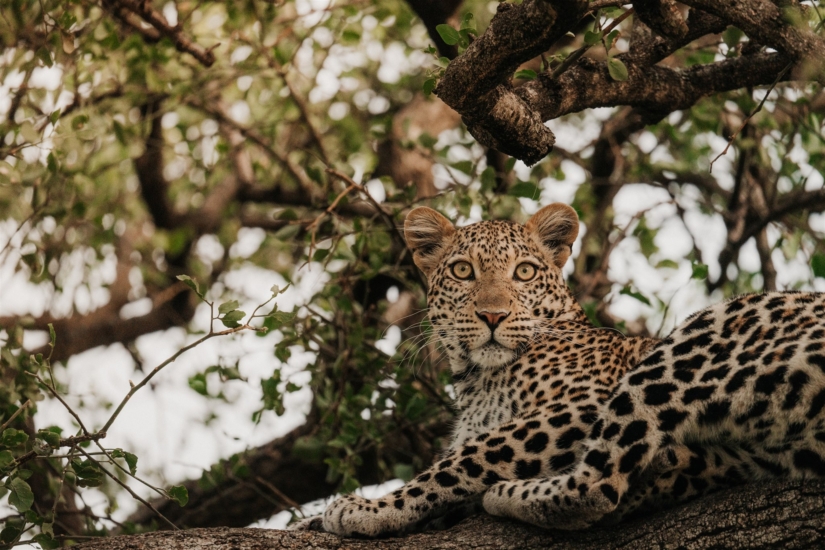
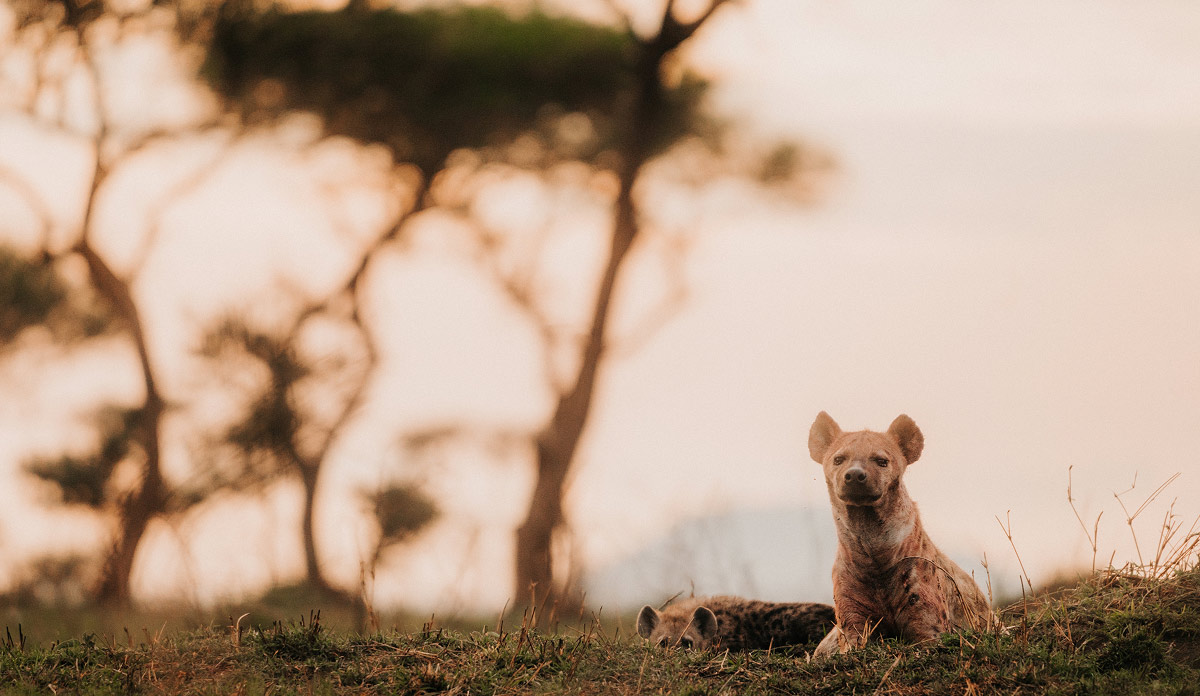
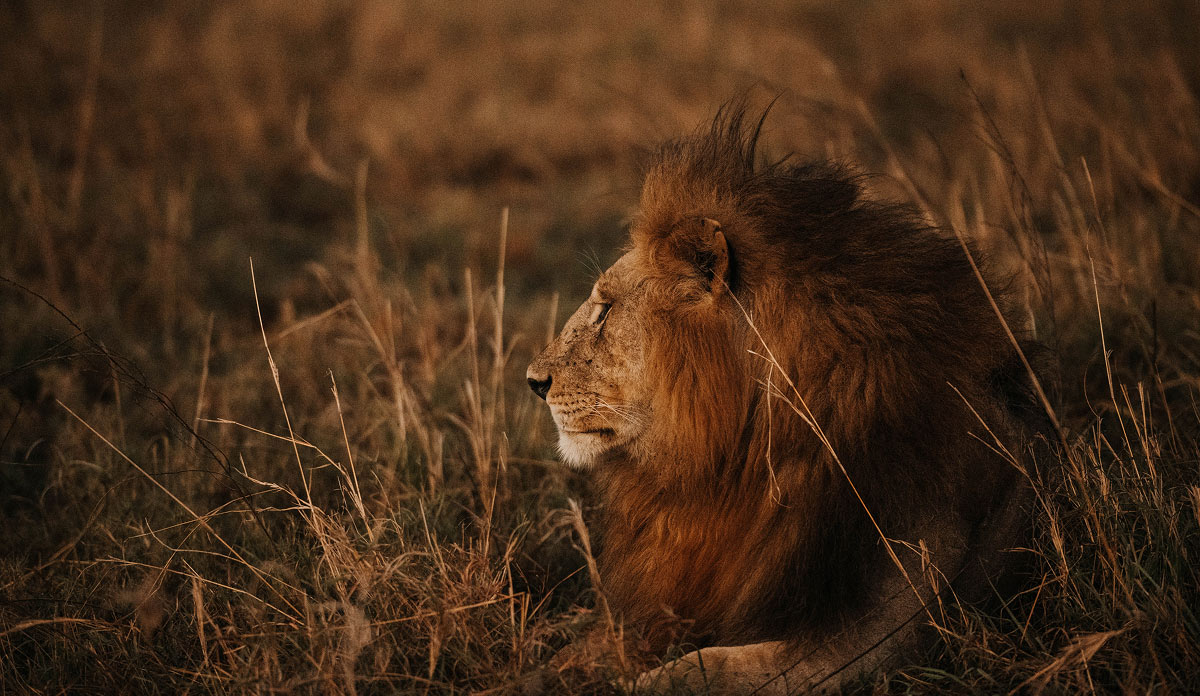
When elephants move into farms, the team works to guide them safely back into the protected area. For other wildlife such as lion, leopard, hyena, or hippos – they work with our government partner, the Tanzania Wildlife Management Authority (TAWA), to capture and relocate animals safely and without harm.
Between responses, the team runs awareness sessions in schools and villages and trains community groups who form the first line of response.
Every call carries a decision about what matters most. When elephants raid crops, the priority is to guide them out quickly, before further damage occurs; always with the understanding that elephants do not recognize the boundaries people draw. But the moment a human life is at risk, that calculation shifts instantly, and nothing comes before the safety of the community.
The work has reshaped how Ashura sees the world. She once believed that living alongside wildlife peacefully was impossible – that an encounter with an elephant or a lion could only end in danger. Years in the field proven otherwise. “I now believe it is possible to coexist with wildlife, once you understand their behaviours,” she says.
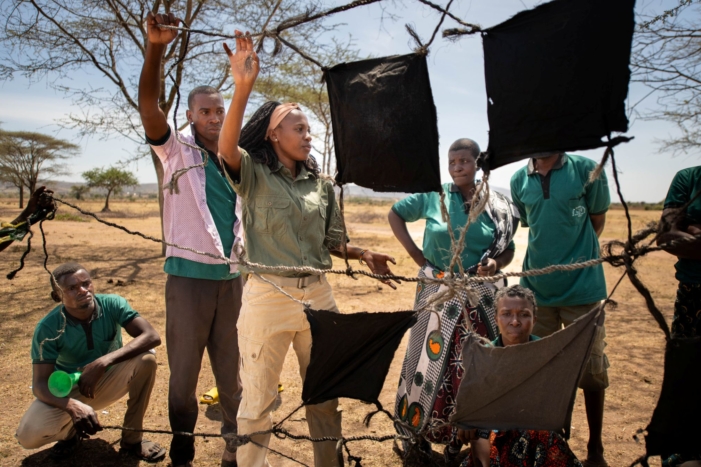
Ashura demonstrates practical human-elephant conflict (HEC) mitigation techniques, empowering community members to protect both their livelihoods and local wildlife.
She has grown in other ways, too. Today, she speaks about conservation with confidence she once lacked. More importantly, she has learned to think beyond the immediate response, focusing instead on long-term solutions. If human-wildlife conflict keeps escalating as wildlife populations grow, she warns, communities risk losing the ability to farm altogether.
None of it is easy. Some days, she arrives at community meetings, and no one shows up. At other times, some residents assume the team is driven only by financial gain. These experiences have taught her that working with people requires patience, resilience, and compassion in equal measure.
As a supervisor, Ashura has watched perceptions shift. When she began, many doubted that a young woman could lead a unit like this. She has outlasted that doubt, and today, girls in the schools her team visits tell her they want to follow in her footsteps.
Her message to them is simple. “Love what you are doing, and have confidence in it,” she says. She believes many women can do this work. They need only self-belief, and the courage to face challenges rather than turn away from them.
Since the unit began in 2017, it has grown significantly. Ashura believes the next five years will make it even stronger.
Despite the risks involved in her work, she keeps returning to one idea: no one can do this alone. “We depend on each other,” she says.
“Alone we cannot manage, and the community alone cannot manage. We need each other.”
She also wants people far beyond Tanzania to understand what the years in the field have taught her. Wildlife is not the enemy. The animals she helps guide back belong to one of the world’s great wild landscapes, and the challenge of sharing space with them extends far beyond her borders. From the edge of the Serengeti to the farmlands of India and the rangelands of the American West, communities everywhere are learning how to live alongside wildlife. What happens here is part of shaping the future. Protecting it is a shared responsibility across this generation and those to come.
Ashura and her team respond day and night so that people and wildlife can share this landscape safely. That future depends on people who believe, as she does, that coexistence is possible. Stand with the Grumeti Fund today.